From the Pulpit to SWAT: What Eric Robinson Taught Me About Brotherhood and Staying Curious
- kneetoknee

- May 20
- 5 min read
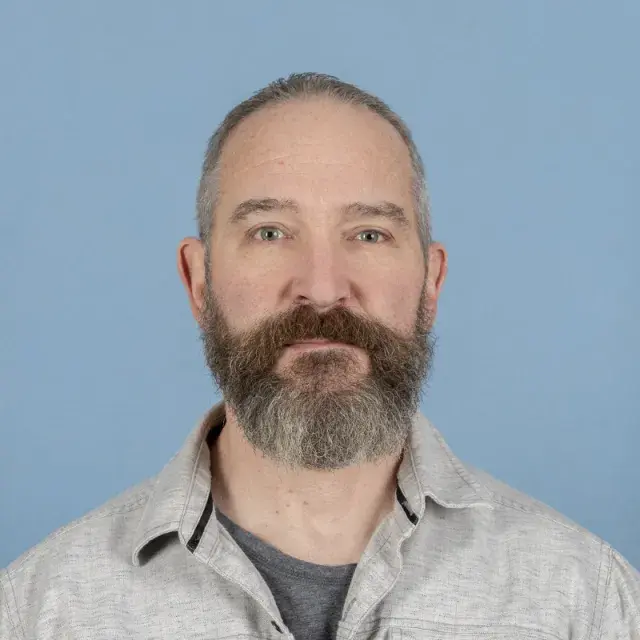
Before Eric Robinson and I even hit record, I already knew this episode was going to be something different. We got on a pre-call to go over a few things and ended up talking for a solid fifteen minutes about marathons, back injuries, and the weird ways men find ways to keep pushing even when the thing they used to do is gone. That right there told me a lot.
Eric's story doesn't follow the usual path. He started as a pastor, leading a church specifically built for people who didn't normally go to church. The work was meaningful. The people were real. But the stress was the kind that follows you home, sits with you at dinner, and keeps the headaches coming every single day. And I mean that literally. Eric developed chronic stress-related headaches during his time in ministry, and the only thing that gave him any relief was running.
His solution to the stress? Apply to the FBI. Which is hilarious if you think about it, and he knows it. But here's the thing: the day he got accepted, the headaches went away. Not eventually. That day. His body was telling him something his head was still working through.
The Brotherhood You Don't Know Until You're In It
Eric spent 15 years on FBI SWAT. And when he talks about what that brotherhood actually feels like, it doesn't come out sounding like a recruitment ad. It comes out sounding like the most honest thing he knows.
He told me that when guys apply to join SWAT, they sometimes say they want to be part of the camaraderie they can see from the outside. And the SWAT guys think, yeah, that's the right answer. And then when the candidate leaves, they look at each other and go: he doesn't know. He thinks he does. But he doesn't know until he's in it.
That hit me. Because I think most men have a version of that gap in their own lives. We can see that other guys have it. That crew, that group, that bond where you just move and people show up and nobody has to say much. We can see it from the outside. But we don't fully get it until we've been through something real together.
Eric described sitting in an armored vehicle for hours with guys he trusted completely. Moving through buildings without saying a word because everyone already knew their job. Surviving things together and then sitting in a hotel room that night and talking through all of it. Not because someone told them to. Because that's just what you do.
That last part stuck with me, because I had my own version of that story. Years ago on a wildland fire, our whole crew had a very bad day. Nobody died. But we were close. And when we finally got out of there and got to the hotel that night, my buddy came into my room and sat on the bed and we just talked it through. Before that day, we were good crew members. After that? Something different. He lives five minutes from me now and we still talk. That was a long time ago.
What a SWAT Team Debrief Actually Looks Like
Eric shared something from his career that I think translates directly into how men should handle hard things together. His team had a shooting. Not something any of them wanted, but it happened. And instead of mandatory therapy sessions or a checkbox process, they went around the room. Every operator talked about what they did, what they saw, how they felt. The chaplain was there. The employee assistance folks were there. But nobody was forced.
One of Eric's teammates wasn't even present for the incident because his kid was sick. And when it was his turn to talk, he said he felt terrible. He'd let his team down by not being there. Which is exactly the kind of thing that gets left unsaid when there's no space to say it. The debrief gave him that space.
We call a version of this a hot wash in emergency management. What went right, what went wrong, what did we learn. But what Eric described was more than an after-action review. It was men being real with each other about what they actually experienced. And that's the thing most men's groups never quite get to.
Identity After the Badge
The part of our conversation that I keep coming back to is what Eric said about retirement. He's only a few months out. And he talked about watching older guys retire over the years, watching them go from being the best shot in the division to just being a guy. Not because they lost the skill. Because the context was gone.
And he'd been thinking about that for himself for a while. Leading up to his retirement, he had to sit with a hard question: if I'm not FBI, if I'm not SWAT, who am I? That's not a question most men let themselves ask until they're forced to. And by then, it can knock you flat.
Eric's answer right now is honest: he's still figuring it out. The rest has been nice. The calm has been real. But there's something there that hasn't fully settled yet. I appreciated him saying that out loud instead of wrapping it up in a bow.
The One Thing: Be Curious
At the end of every KneeToKnee episode, I ask the guest one question: what's one thing our listeners can do today to build deeper connections with those around them?
Eric's answer was curiosity.
Not some elaborate framework. Not a five-step process. Just: be curious and open with the person in front of you. In ministry, if you walk in already knowing the answer, you've lost the person before you've started. In the FBI, if you're interviewing a witness or even a suspect and you've already decided what happened, you're going to miss something important. And in everyday life, if you're already defending before you've listened, you've told the other person their input doesn't matter.
He said something I wrote down: if somebody well-meaning wants to critique you and you refuse it, you've just told them you'd rather not be better. That one is going to stay with me for a while.
Today's one thing: the next time someone pushes back on you or offers feedback you didn't ask for, stay curious instead of defending. Ask one question before you respond. Just one. See what changes.
📩 Get The One Thing — a weekly note from Mark every time a new episode drops: https://bit.ly/4eIs6gf
🎙️ KneeToKnee — connection that compounds.


Comments